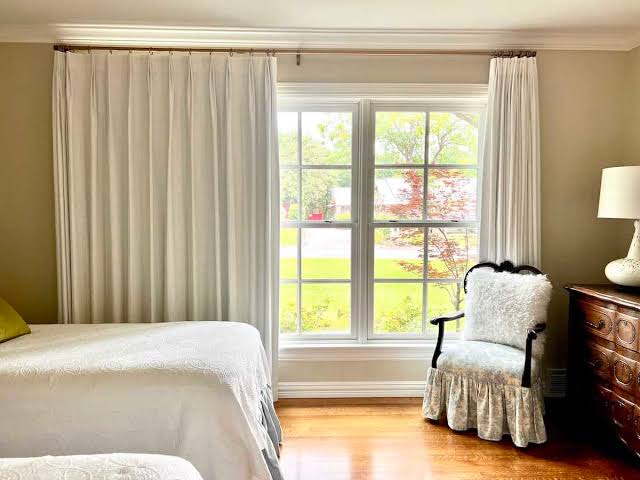
Walk into a carefully styled apartment, and almost everything has a place. The kitchen counter is clear. Shoes are nowhere to be seen. There are no delivery boxes waiting near the entrance, and somehow nobody owns a vacuum cleaner.
Contents
- Begin With What You Already Own
- Check the Entrance First
- Kitchens Collect More Than Food
- Bedrooms Need Breathing Room
- Compare Layouts With Real Furniture in Mind
- Think About the Things Used Occasionally
- Be Realistic About Decluttering
- Conclusion
Real homes are rarely that tidy.
This is why buyers should look beyond open floor space when comparing condo layouts. Storage, furniture placement and everyday belongings can change how spacious a unit feels once people actually move in.
Begin With What You Already Own
Before viewing another property, think about the belongings currently taking up space at home.
There are obvious items such as beds, sofas and dining furniture. Then come the things that are easier to forget: luggage, cleaning supplies, sports equipment, spare bedding, shoes and kitchen appliances.
A unit does not need enormous storage for every household. It does, however, need a realistic place for the things its residents use.
Check the Entrance First
The entrance often gives an early clue about how easy a home will be to keep organised.
Someone researching River Opus may naturally focus first on bedrooms, living areas and the wider River Valley location. During an eventual unit comparison, however, smaller functional spaces deserve attention too.
Think about where shoes, umbrellas, bags or parcels would go after arriving home. If all of them immediately enter the living room, clutter can build surprisingly quickly.
Kitchens Collect More Than Food
A beautiful kitchen can look wonderfully clean when only a few decorative items sit on the counter.
Now imagine an electric kettle, coffee equipment, rice cooker and whatever else the household regularly uses. Add groceries and cleaning products. Suddenly, storage becomes much more important.
Buyers who cook frequently may want to think carefully about cabinet space and work surfaces. Someone who rarely prepares meals may have very different priorities.
Bedrooms Need Breathing Room
A bedroom can technically fit a bed without necessarily being comfortable.
After placing the bed, consider the space required to move around it. Where will clothes go? Is a desk needed? Would adding another piece of furniture make circulation awkward?
This matters particularly when a room may change purpose later. A child’s bedroom, guest room or home office can develop very different storage needs over time.
Compare Layouts With Real Furniture in Mind
When evaluating a One Chuan Grove Condo as well, buyers can use available floor plans and official project information to compare different configurations. Instead of looking only at stated dimensions, imagine actual furniture inside each room.
Your sofa may be deeper than the one used in a display setting. Your dining table might seat more people. A large bed can completely change the amount of open space left in a bedroom.
Measurements are much more useful when connected to something you already own.
Think About the Things Used Occasionally
Some belongings disappear from thought because they are not used every day.
Suitcases are a perfect example. They may only come out several times a year, but they still need somewhere to stay for the remaining months. The same applies to seasonal items, extra chairs and bulky household equipment.
If a home has no obvious place for these objects, buyers should consider what alternative storage would be required.
Be Realistic About Decluttering
It is common to look at a smaller home and say, “We’ll just get rid of some things.”
Sometimes that works. But buyers should distinguish between belongings they genuinely no longer need and items that will simply have to be purchased again later.
A better exercise is to identify what would definitely move with the household. Then ask whether the proposed home can accommodate those items without requiring every available corner to become storage.
Conclusion
Spaciousness is not determined only by the amount of floor area shown on a property listing. A home can feel open when everyday belongings have sensible places to go, while a larger unit may quickly feel crowded if storage and furniture placement do not work.
Before choosing a layout, mentally move in. Bring the luggage, shoes, appliances, work equipment and everything else that will not appear in a staged photograph. If the home still feels practical after those ordinary possessions arrive, the sense of space is based on something more useful than an uncluttered first impression.
Quick Summary
- Real homes are rarely as tidy as staged apartments, so buyers should consider practical storage solutions and furniture placement.
- Buyers should evaluate how their everyday belongings, including less obvious items like luggage and cleaning supplies, will fit into a potential new home.
- The entrance is crucial for organization, as it determines where items like shoes and bags will be stored, preventing clutter in living areas.
- Kitchens should provide adequate storage for not just food, but also cooking appliances and cleaning products, especially for those who cook frequently.
- Bedrooms require enough space for comfort and storage needs, particularly if the room’s purpose may change over time, such as becoming a child’s room or home office.
- Buyers need to envision their actual furniture in a unit, as dimensions can differ greatly from what is shown in display settings.