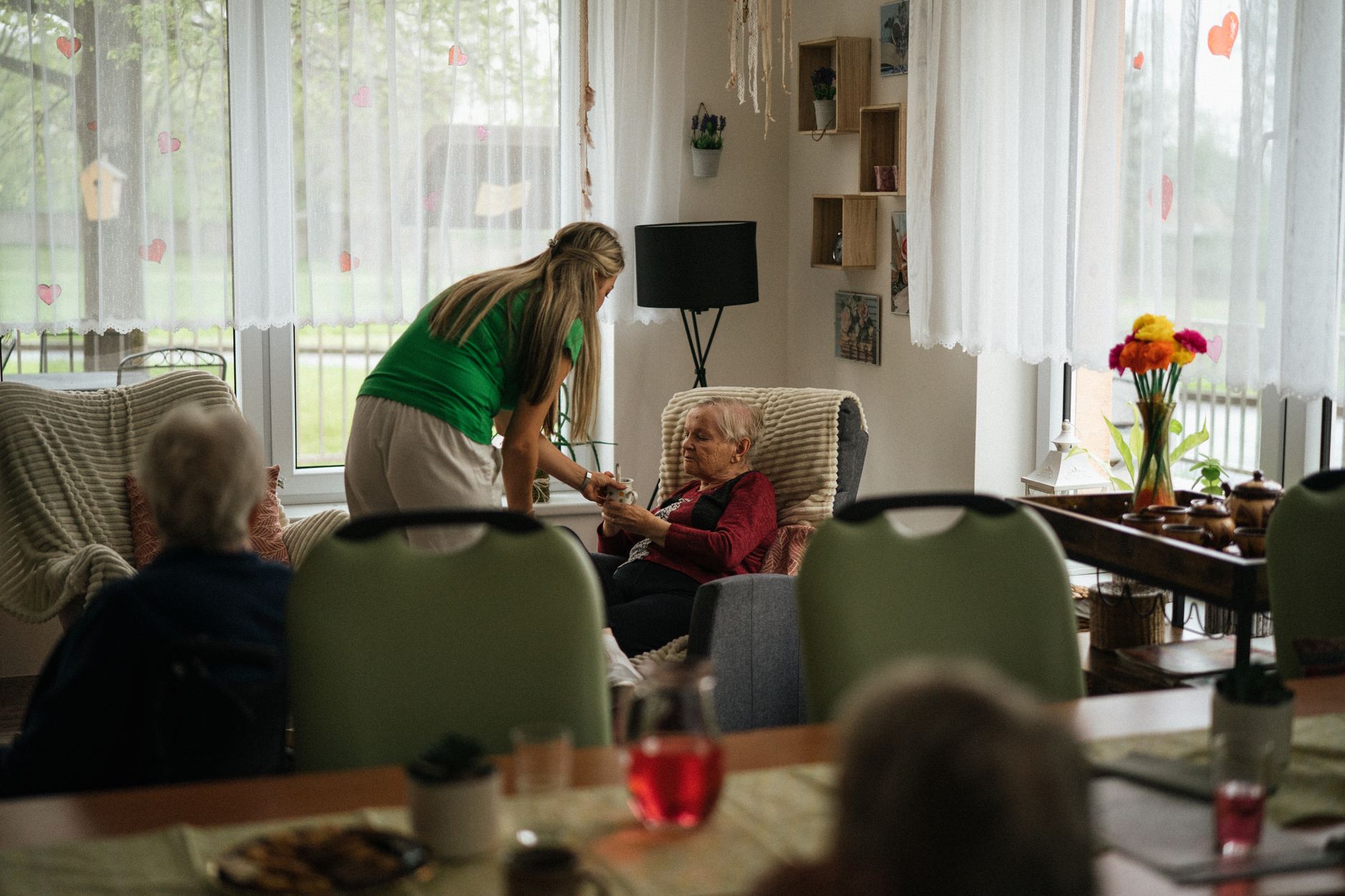
Remaining comfortable and independent at home is an important priority for many older adults. Familiar surroundings, daily routines, and connections with family can contribute to a greater sense of security and well-being. However, everyday activities may become more challenging as people age or experience changes in their abilities. Choosing home care Springfield MA families can rely on can provide practical assistance while helping seniors maintain dignity, independence, and meaningful connections with loved ones.
Understanding the Importance of Home Care
Home care provides assistance to individuals who need support with daily activities but prefer to remain in their own homes. Rather than adjusting to an unfamiliar environment, seniors can receive help within the spaces they know and enjoy.
Support requirements vary from person to person. Some older adults may need occasional assistance with household responsibilities, while others benefit from more consistent help with personal routines and everyday activities.
A suitable care arrangement begins with understanding the individual’s preferences, abilities, schedule, and specific needs. This allows families to consider services that provide useful support without unnecessarily limiting independence.
Assistance with Everyday Activities
Daily tasks can become difficult when mobility, strength, or energy levels change. Non-medical home care services can help seniors manage these responsibilities and maintain more organized routines.
Depending on the agreed care plan, assistance may include:
Help with dressing, grooming, and personal hygiene.
Support with bathing and other daily routines.
Meal preparation and basic kitchen tasks.
Light housekeeping and laundry.
Grocery shopping and essential errands.
Assistance with walking and everyday mobility.
Companionship and conversation.
The type and frequency of assistance should reflect the individual’s circumstances. Some people may only need help with a few weekly activities, while others may benefit from a regular daily schedule.
Companionship and Emotional Well-Being
Social interaction is an important part of maintaining quality of life. Seniors who spend extended periods alone may experience loneliness or become less involved in activities they previously enjoyed.
Companion care can provide conversation, shared activities, and meaningful social engagement. A caregiver may spend time reading, playing games, discussing familiar interests, or accompanying an individual on suitable outings.
These interactions can help make daily routines more enjoyable and provide families with reassurance that their loved one has regular social contact. Respecting personal interests and communication preferences is essential to creating a comfortable relationship between a caregiver and the person receiving assistance.
Supporting Families and Family Caregivers
Family members often take on significant responsibilities when caring for an aging loved one. Although providing support can be rewarding, balancing caregiving with employment, household duties, and personal commitments may become difficult.
Professional home care can help share some of these responsibilities. Scheduled assistance may allow family caregivers to manage other obligations while knowing that agreed daily tasks are being addressed.
Families should discuss expectations, schedules, and communication preferences when arranging care. Clear coordination helps everyone understand the support being provided and identify changes that may require additional attention.
Choosing the Right Home Care Arrangement
Selecting home care requires careful consideration of both practical needs and personal preferences. Families should ask about caregiver experience, service availability, scheduling flexibility, communication practices, and how care plans are developed.
It is also important to understand the difference between non-medical home care and skilled medical services. Assistance with household activities and personal routines does not replace nursing care, medical treatment, or other services that require licensed healthcare professionals.
A thoughtful assessment can help determine the appropriate level of support and whether additional services are necessary.
Helping Seniors Maintain Independence at Home
Home care can make everyday life more manageable for older adults while giving families additional support. With personalized assistance, companionship, and attention to changing needs, seniors in Springfield can continue enjoying familiar surroundings and established routines.
Choosing compassionate care that respects individual preferences helps create a supportive home environment where comfort, dignity, and independence remain central priorities.
Quick Summary
- Home care helps older adults remain comfortable and independent in their own homes, contributing to their sense of security and well-being.
- Assistance with everyday activities, including personal hygiene, meal preparation, and companionship, can help seniors manage daily responsibilities.
- Social interaction provided by companion care can alleviate feelings of loneliness and enrich the quality of life for seniors.
- Professional home care can support family caregivers by sharing responsibilities and allowing them to balance other personal and work commitments.
- Choosing the right home care requires evaluating caregiver experience, service availability, and understanding the distinction between non-medical home care and skilled medical services.
- Personalized assistance in home care enables seniors to maintain their dignity and independence while enjoying familiar surroundings and routines.