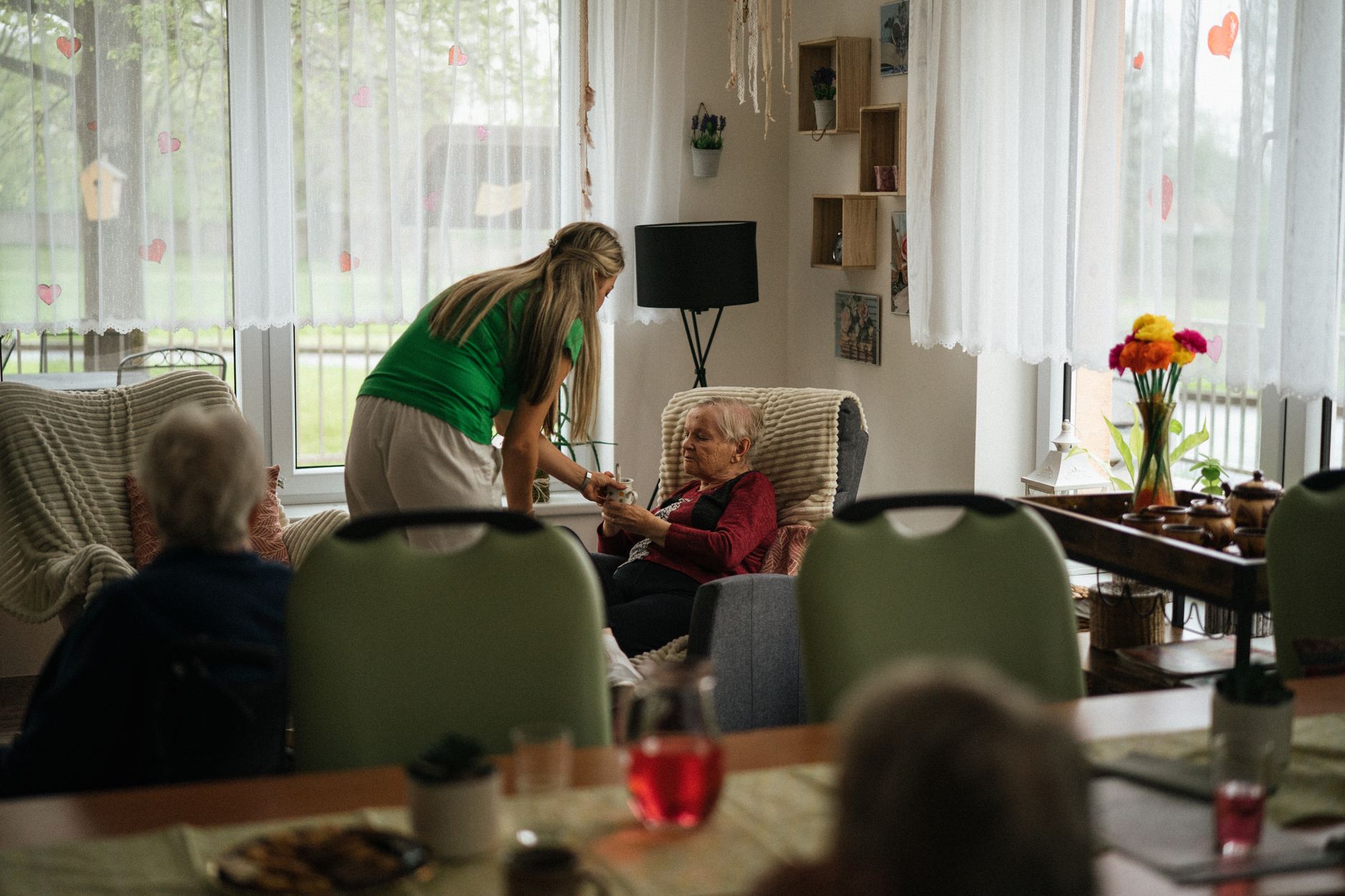
Families often want their aging loved ones to enjoy a comfortable lifestyle while maintaining as much independence as possible. As daily activities become more challenging, professional assistance can make a meaningful difference in supporting their wellbeing. Home care Miami services offer practical support for seniors and individuals who need help with everyday responsibilities while remaining in familiar surroundings. With personalized arrangements, families can find assistance that reflects individual preferences, routines, and changing care requirements.
Understanding Professional Home Care Services
Professional home care provides non-medical assistance to individuals who need support with daily living. Services are generally delivered in the person’s home, allowing them to maintain familiar routines and remain connected to their surroundings.
The level of assistance depends on personal circumstances. Some individuals may need occasional help with household tasks, while others benefit from regular support throughout the day. A suitable care arrangement considers mobility, personal preferences, daily habits, and the tasks an individual finds difficult.
Personalized support is important because every person has different expectations. A thoughtful care plan focuses on providing assistance where it is needed while encouraging individuals to remain involved in activities they can comfortably manage.
Assistance with Everyday Activities
Daily living assistance can help seniors maintain their routines with greater confidence. Depending on the agreed care plan, caregivers may provide help with bathing, dressing, grooming, and other personal activities.
Household support can also make everyday life easier. Meal preparation, light housekeeping, laundry, and assistance with errands may reduce the physical demands of managing a home. Preparing regular meals can help seniors maintain consistent eating habits, while an organized living space can make daily tasks more manageable.
Caregivers should provide assistance respectfully, recognizing the importance of privacy and personal choice. Encouraging seniors to participate in their own routines can help preserve independence and self-confidence.
Companionship and Emotional Support
Physical assistance is only one aspect of professional home care. Social interaction and emotional wellbeing are equally important, particularly for older adults who spend considerable time alone.
Companionship may involve conversations, reading, games, hobbies, and shared activities. These interactions provide opportunities for engagement and can help make everyday routines more enjoyable.
Caregivers may also help seniors maintain relationships with relatives and friends. Depending on individual needs, this could include assistance with phone calls, communication, or appropriate community outings.
Regular social engagement can help individuals feel connected, valued, and involved in their surroundings.
Supporting Family Caregivers
Family members frequently take responsibility for supporting aging relatives. Although caregiving can strengthen family relationships, balancing these duties with employment, household responsibilities, and personal commitments can become difficult.
Professional home care can provide additional assistance with agreed daily tasks. This may allow relatives to spend more quality time with their loved ones instead of managing every practical responsibility themselves.
Communication between caregivers and family members is essential. Discussing routines, preferences, schedules, and changing needs helps maintain consistency. Families should also understand the services included and how concerns or adjustments will be handled.
Creating a Comfortable Home Environment
A familiar home can offer reassurance and emotional stability, but certain features may become challenging as mobility changes. Poor lighting, loose rugs, cluttered pathways, and inaccessible storage areas can create everyday difficulties.
Simple adjustments can improve convenience and accessibility. Clear walkways, suitable lighting, secure handrails, and frequently used items placed within easy reach may help seniors move around more comfortably.
Caregivers can follow agreed household routines and help maintain an organized environment. Families should consider individual safety requirements and seek professional advice when necessary.
Choosing Suitable Home Care in Miami
Selecting a home care arrangement requires careful consideration of service quality, caregiver compatibility, scheduling, communication, and affordability. Families should discuss the older adult’s preferences and identify the specific assistance needed before making a decision.
Professional home care generally focuses on non-medical support unless clinical services are provided by appropriately qualified professionals. Medical concerns should be addressed with the relevant healthcare team.
For seniors and families in Miami, personalized home care can provide practical assistance while supporting independence, dignity, and comfort. With thoughtful planning and consistent support, individuals can continue enjoying familiar surroundings while families gain greater confidence in their loved ones’ daily care.
Quick Summary
- Home care services in Miami provide non-medical assistance to seniors, allowing them to maintain independence in their familiar surroundings.
- Care plans for professional home care are personalized based on individual needs, preferences, and daily routines, which can include help with personal activities and household tasks.
- Companionship and emotional support are key components of home care, helping to engage seniors through social interaction and maintaining connections with family and friends.
- Family caregivers often benefit from professional home care services as they alleviate the burden of daily tasks, allowing families to spend quality time with their loved ones.
- Home environments must be adapted to support seniors’ mobility, with improvements like clear walkways and appropriate lighting being essential for safety.
- Choosing a home care arrangement involves assessing service quality, caregiver compatibility, and affordability to ensure the needs of the aging loved one are met.