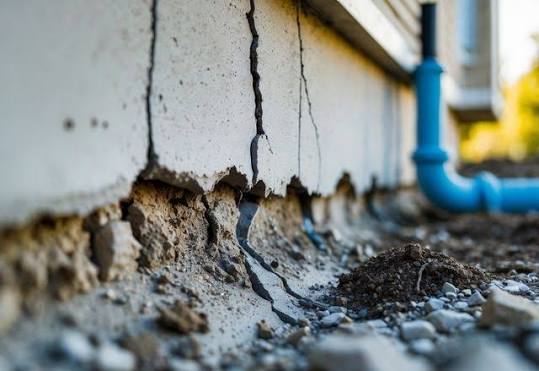
The majority of homeowners focus on obvious plumbing issues like leaky pipes, blocked sinks, and dripping faucets. But some of the worst plumbing problems arise underneath, where they may go unreported for months. Wastewater is removed from a property via sewer lines, and even minor damage may eventually have an impact on soil stability, drainage, and structural issues. Property owners may identify odd changes before they become costly plumbing situations by being aware of these hidden issues.
Unnoticed Cracks In Subterranean Plumbing
Everyday wastewater flow, temperature fluctuations, and the surrounding soil all put continual strain on sewer lines. Small fractures may eventually result from these circumstances, especially in older pipes or systems with weak joints.
In contrast to obvious plumbing leaks, subterranean fissures seldom show up right away. Without producing obvious drainage issues within the structure, wastewater may gradually seep into the surrounding soil.
The soil around the pipe may get saturated as the damage worsens, resulting in unstable ground conditions. Before significant excavation or property damage is required, these issues may be found with the use of expert inspections.
Invasion Of Sewer Pipes By Tree Roots
Although trees improve the beauty of a home, their subterranean root systems may cause unforeseen plumbing issues. Because roots are drawn to moisture, broken sewage lines are especially appealing.
Roots may penetrate a pipe junction via even a little gap. Once inside, they keep growing and may expand already-existing fissures, trap trash, or impede water flow.
Recurring drain blockages are occasionally mistaken for common domestic obstructions by property owners. On the other hand, recurring issues with many fixtures might be a sign of deeper root infiltration in the sewage system. Finding the source is crucial since removing a blockage may not be enough to fix the underlying problem.
Alignment Of Sewer Lines May Be Affected By Soil Movement
A property’s subsurface is not entirely stationary. Subterranean pipes may shift due to soil expansion, erosion, excessive moisture, and slow settling. A sewage line’s initial alignment may become uneven as portions of it move. As a result, wastewater may accumulate in low areas rather than flowing freely to the main drainage connection.
These areas, commonly referred to as pipe bellies, promote the buildup of debris and silt. Recurring backups are more likely when wastewater circulation becomes limited over time.Finding out whether the issue is due to defective pipe material, incorrect alignment, or unstable surrounding soil is necessary for effective Sewer Line Repair.
Unexpected Lawn Changes Could Point To Undiscovered Leaks
An important source of information concerning subterranean plumbing conditions is a lawn. Unexpected plant growth, persistently moist places, or unusually green spots might be signs of wastewater seeping below the surface.
However, drainage issues, natural variations in soil moisture, or irrigation leaks may all cause similar symptoms. A little dip in the yard is another worrying indication. Continuous subterranean leaks have the ability to cause uneven terrain by progressively washing away supporting soil.
Instead of thinking that every odd grass condition is a sign of sewage problems, property owners should think about hiring a tester to identify the real cause.
Pipe Deterioration And Hidden Corrosion
Corrosion, chemical exposure, or prolonged exposure to harsh soil conditions can cause older sewage lines to degrade over time. As they age, certain materials may also become fragile. Rough spots on internal pipe surfaces may accumulate dirt, grease, and debris. These deposits raise the likelihood of blockages and decrease the amount of space available for wastewater circulation.
Plumbing experts may now assess interior pipe issues without having to instantly dig up the whole system thanks to modern video inspections. Sewer Line Repair may include targeted pipe replacement, rehabilitation, or other appropriate restoration techniques, depending on the results.
Sewer Odors Can Indicate Ventilation Or Drainage Problems
Attention should be given to persistent sewage smells, particularly if they are found close to outdoor plumbing connections, basements, or sewers. These odors might be signs of broken sewage lines, clogged vents, or malfunctioning drain traps.
Underground pipe failure cannot be verified by odors alone. However, they need further investigation if they are accompanied by delayed drainage, strange gurgling noises, or frequent backups.
A comprehensive evaluation aids in differentiating between more significant subterranean drainage issues and simpler plumbing issues.
Conclusion
Without showing any overt signs, hidden sewage line issues may progressively deteriorate property conditions. Different remedies are needed for pipe fractures, root incursion, shifting soil, corrosion, and subterranean leaks. Homeowners may react more quickly if they are aware of odd drainage behavior and environmental changes. Plumbing performance may be safeguarded, needless damage can be avoided, and a property’s long-term condition can be supported with timely inspections and suitable Sewer Line Repair.