Singapore’s property market has always been shaped by environmental realities. High humidity, intense rainfall, and year-round heat are not new challenges, but their impact on daily living has become more pronounced as climate patterns intensify. In response, residential preferences are shifting toward homes that manage tropical conditions more effectively—quietly influencing long-term value in ways that go beyond surface-level sustainability features.
Rather than focusing on environmental credentials alone, buyers and occupants are paying closer attention to how well homes perform under real conditions: heat management, ventilation, drainage, and comfort during increasingly erratic weather cycles.
Heat Mitigation as a Livability Factor
Thermal comfort has become a central consideration in residential decision-making. With rising temperatures and more frequent heatwaves, the ability of a home to remain comfortable without excessive energy use is no longer optional.
Design elements such as building orientation, window placement, shading, and cross-ventilation now carry tangible lifestyle implications. Homes that trap heat or rely heavily on air-conditioning can feel increasingly inefficient and uncomfortable over time.
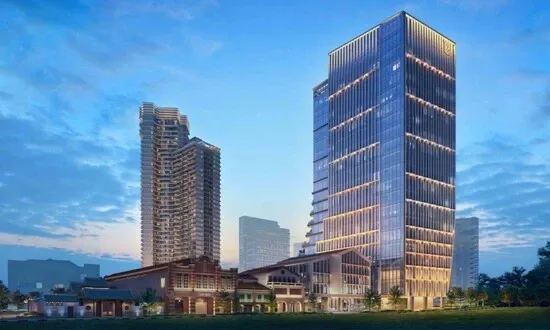
Developments like Hudson Place Residences, planned within established urban environments, reflect a growing emphasis on passive design strategies that respond to Singapore’s climate rather than working against it.
Rainfall, Drainage, and Ground-Level Design
Singapore’s rainfall patterns are becoming more intense, placing renewed focus on drainage systems and site planning. Residential developments must now contend not just with average conditions, but with extreme weather events that test infrastructure resilience.
From elevated ground floors to effective water runoff systems, climate-responsive design reduces disruption to daily life. Residents are increasingly aware of how such features affect convenience, safety, and long-term maintenance costs—especially in low-lying or densely built areas.
Well-integrated drainage and landscape planning also contribute to neighbourhood durability, ensuring that surrounding infrastructure remains functional during heavy rainfall.
Ventilation and Indoor Air Quality
As residents spend more time indoors—whether working from home or avoiding outdoor heat—indoor air quality has taken on greater importance. Natural ventilation, adequate spacing between buildings, and thoughtful unit layouts all influence how air circulates within living spaces.
Poor ventilation can exacerbate humidity-related issues such as mould and discomfort, particularly in older or poorly planned developments. In contrast, homes designed to maximise airflow often feel more comfortable even during warmer months, reducing reliance on mechanical cooling.
Projects like Dunearn House, located within mature residential districts with established spacing and greenery, benefit from environmental conditions that naturally support airflow and shade.
Greenery as Functional Infrastructure
In Singapore, greenery serves more than an aesthetic purpose. Trees, landscaped buffers, and green corridors help reduce ambient temperatures, absorb rainwater, and improve overall environmental comfort.
Residential areas with mature vegetation often experience lower surface temperatures, creating more pleasant microclimates. This has direct implications for walkability and outdoor activity—factors that influence how residents interact with their neighbourhoods on a daily basis.
As climate considerations become more prominent, proximity to green spaces is increasingly viewed as functional infrastructure rather than lifestyle enhancement.
Maintenance, Durability, and Long-Term Costs
Climate resilience also affects long-term ownership considerations. Materials that withstand humidity, heat, and heavy rainfall age more gracefully, reducing maintenance demands over time.
Buyers are becoming more discerning about construction quality and material choices, recognising that environmental stress can accelerate wear and tear. Developments that account for these realities tend to deliver more predictable upkeep costs and fewer disruptions for residents.
This focus on durability aligns with broader market preferences for homes that prioritise longevity over novelty.
Environmental Comfort and Residential Retention
One of the less visible impacts of climate-responsive design is residential retention. Homes that remain comfortable throughout the year encourage longer occupancy, whether by owners or tenants.
In contrast, properties that struggle with heat, poor ventilation, or weather-related issues often experience higher turnover, as residents seek better-suited alternatives. Over time, this affects both community stability and perceived residential value.
Comfort, once taken for granted, is now a differentiating factor in a maturing housing market.
Climate Awareness and Buyer Behaviour
Singapore’s residents are increasingly climate-aware, not necessarily in ideological terms, but through lived experience. Daily discomfort, rising energy costs, and weather disruptions shape how people evaluate their living environments.
This awareness is gradually influencing buyer behaviour, with greater emphasis placed on environmental performance during property evaluation. While these considerations may not always be explicit, they influence satisfaction and long-term perception of value.
Homes that quietly perform well under tropical conditions often earn lasting appreciation from occupants, even if such qualities are not immediately visible.
Conclusion
As Singapore adapts to a more demanding climate, residential preferences are evolving in practical, experience-driven ways. Climate resilience—through heat management, ventilation, greenery, and durable design—is becoming a core component of liveability rather than a secondary consideration.
Developments such as Hudson Place Residences and Dunearn House sit within this broader shift, where environmental responsiveness supports everyday comfort and long-term relevance. In a city defined by its tropical context, the homes that endure will be those designed not just to exist within the climate, but to live well in it.