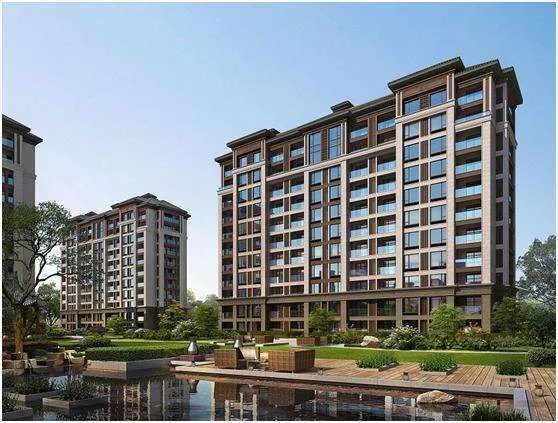
Where a home sits ends up shaping far more of daily life than most buyers expect walking into their search. Amberwood at Holland draws attention for its calmer setting, tucked away from constant city noise. Not far off, a busier alternative pulls a different crowd entirely, one chasing speed and access above stillness. Location, more than design or price, tends to decide which of these two projects actually fits someone’s daily rhythm best.
Proximity To Transit And Daily Commute
Commute time shapes mood before the workday even properly begins for most people. Lucerne Grand sits close to established transport links, cutting down travel time considerably for anyone juggling a packed schedule. That proximity matters more than buyers often admit until they’ve actually lived through a few months of daily back and forth. The other project trades that convenience for quiet, a choice that suits a completely different kind of daily routine entirely.
Access To Everyday Conveniences Nearby
Small things pile up over a week: quick coffee before work, a grocery run squeezed in on the way home, errands nobody plans for, but everyone ends up doing. One development sits closer to that kind of constant activity, useful for buyers who value convenience above all else. The other keeps a bit more distance from it, favouring calm surroundings over having everything within immediate walking reach.
Neighbourhood Atmosphere And Street Life
Atmosphere shifts noticeably depending on which pocket of the city someone actually calls home each evening. One area buzzes steadily, cafes filling up, foot traffic constant throughout most of the day. The other settles into something quieter, streets less crowded, evenings moving at a gentler pace overall. Walking both neighbourhoods at different hours reveals character that listing photos rarely manage to capture accurately, showing buyers what daily life there actually feels like.
Green Spaces And Surrounding Landscape
Not every location offers the same relationship with greenery, and that difference matters considerably for certain buyers. For anyone who actually uses a nearby park, morning jogs, weekend picnics or evening walks with the dog, one address makes that far easier than the other, which leans more toward density than open space. Buyers who value weekend walks through quiet greenery should weigh this difference carefully before settling on either location entirely.
Future Infrastructure And Area Development
Location decisions should account for what’s coming, not just what already exists today around a project. One area continues developing steadily around its transit hub, likely drawing further amenities and infrastructure over the coming years. The other holds onto its established character, unlikely to shift dramatically given how settled the surrounding residential feel already is. Buyers thinking years ahead should weigh which growth pattern actually matches their own long-term expectations.
How Location Influences Long-Term Value
Location ultimately shapes resale potential and rental demand more than almost any other single factor buyers consider. Strong transit access tends to keep interest steady, pulling both owner-occupiers and investors toward that kind of address consistently. Some buyers, though, would rather settle for a quieter street even if it means giving up a slightly stronger rental pull elsewhere. Both patterns hold genuine value, just for buyers with fundamentally different priorities guiding their decisions.
Conclusion
Location shapes daily life in ways that design and layout alone rarely manage to replicate on their own. What one location offers in access, the other tends to answer with calm, and neither trade-off is really wrong. Buyers willing to walk each neighbourhood, test actual commute times, and picture their real routine unfolding there will likely land on a choice that continues feeling right long after the initial excitement of moving day fades away.