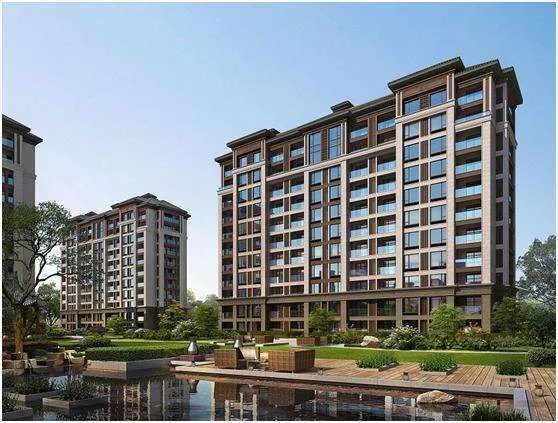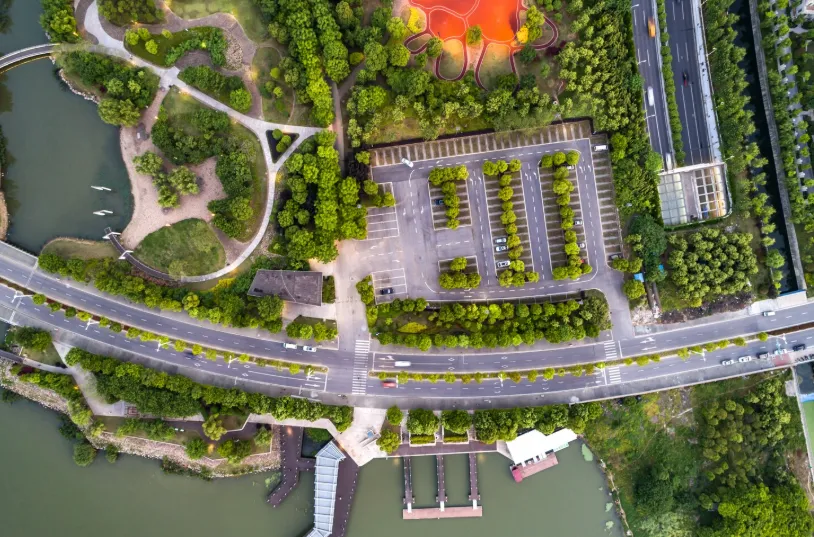
Green design used to mean a few potted plants scattered around a lobby tacked on mostly for show. That approach has shifted considerably, with developers now weaving genuine ecological thinking into how outdoor spaces get planned from the ground up. Dorset Gardens reflects this broader move toward landscaping that does real work not just decoration sitting idle between buildings.
Sustainable landscaping covers more than choosing native plants over imported ones. It touches water management, soil health and how outdoor spaces cool a building naturally rather than relying entirely on air conditioning to fight the heat radiating off concrete and glass surfaces all day.
Native Flora Cuts Upkeep Costs
Local plant species thrive in native humidity and heat without non stop care. Unlike delicate imported varieties they eliminate the need for extra watering schedules expensive fertilizers and constant soil treatments. Choosing native plants cuts down on both water usage and the labour hours needed to keep greenery looking healthy year round.
This approach also supports local biodiversity drawing birds and pollinators that imported ornamental species often fail to attract. A landscape built around native flora tends to feel more alive, with actual wildlife moving through it rather than sitting as static greenery nobody but the gardener interacts with.
Rainwater Harvesting Supports Irrigation
Collecting rainwater for irrigation reduces reliance on treated water for something as simple as keeping plants alive, a resource mismatch that sustainable design increasingly tries to correct. Storage tanks connected to gutters and drainage systems capture runoff that would otherwise disappear straight into the sewer during a storm.
Developments incorporating this system, like the landscaping surrounding Clovelle of Woodlands, lower their water bills over time while also reducing strain on municipal supply during dry stretches. It’s a quiet infrastructure choice that residents rarely notice directly but benefits the estate financially year after year.
Tree Canopy Cools Outdoor Spaces
Mature trees do more than look pleasant in a courtyard photo. Their canopy blocks direct sunlight from hitting pavement and walls, measurably lowering surface temperatures in the shaded areas underneath compared to exposed concrete baking under full sun for hours at a stretch.
This cooling effect makes outdoor communal spaces genuinely usable during the hottest parts of the day rather than areas residents avoid until evening. Estates that plant trees early and let them mature properly end up with courtyards people actually linger in not just walk through quickly.
Permeable Surfaces Control Stormwater Runoff
Standard concrete dumps heavy rainfall directly into storm drains easily choking local drainage during sudden downpours. Permeable paving lets water filter naturally into the soil relieving pressure on municipal drainage systems during extreme storms.
This approach also reduces surface flooding within the estate itself a practical benefit residents notice directly whenever a storm rolls through without leaving walkways submerged for an hour afterward. Small design choices like paving material genuinely affect how livable a development feels during Singapore’s frequent rain.
Vertical Greenery Saves Ground Space
With land at a massive premium vertical walls and balcony planting deliver lush foliage without sacrificing high value ground space needed for core amenities and resident facilities.
This vertical approach also insulates buildings somewhat, reducing heat absorption through exterior walls exposed to direct sun for much of the day. The visual softening effect matters too, breaking up what would otherwise be long stretches of bare facade with actual living texture.
Biodiversity Gardens Support Local Ecosystems
Dedicated pockets planted specifically to attract butterflies birds and beneficial insects add a layer of ecological function beyond simple aesthetics. These gardens work almost like small habitat patches stitched into an otherwise built up urban environment giving wildlife somewhere to actually exist within the estate.
Residents benefit indirectly too, since a garden buzzing with actual life feels different from one that’s purely ornamental and static. Children especially seem to notice this difference, often more curious about a butterfly landing nearby than about the manicured hedge trimmed into a perfect line beside it.
Conclusion
Sustainable landscaping has moved well past the token gesture it used to represent in property development. Thoughtful plant choices, water management, and shaded outdoor spaces now shape how a development actually feels to live in, day after day, season after season.
Buyers evaluating an estate should look closely at how seriously the landscaping was planned, not just how it photographs on launch day. Greenery that does real ecological work tends to age far better than decoration chosen purely for a marketing brochure.