Property opportunities rarely follow a single formula. A residential site, commercial location, and industrial property can each present different possibilities, constraints, and user expectations. A considered development approach begins by understanding what makes each opportunity unique. Danny Hanna has developed a professional perspective across property, construction, and infrastructure that supports a flexible way of assessing opportunities while maintaining a consistent focus on quality, functionality, and purposeful development.
Contents
- Looking at the Opportunity Before the Building
- A Different Perspective for Residential Property
- Understanding Commercial Opportunities
- Identifying Industrial Potential
- Why Infrastructure Changes the Opportunity
- Using Construction Knowledge in Opportunity Assessment
- Matching Design With Purpose
- Recognising Long-Term Potential
- Balancing Consistency With Flexibility
- Turning Diverse Opportunities Into Strong Outcomes
- Conclusion
Looking at the Opportunity Before the Building
The first stage of development is understanding what a site can realistically offer. Location, access, surrounding infrastructure, land characteristics, and intended use all contribute to the potential of a property.
Rather than beginning with a predetermined building concept, an opportunity-led approach considers the characteristics of the site first. This can create a stronger foundation for deciding what type of development is most appropriate.
A Different Perspective for Residential Property
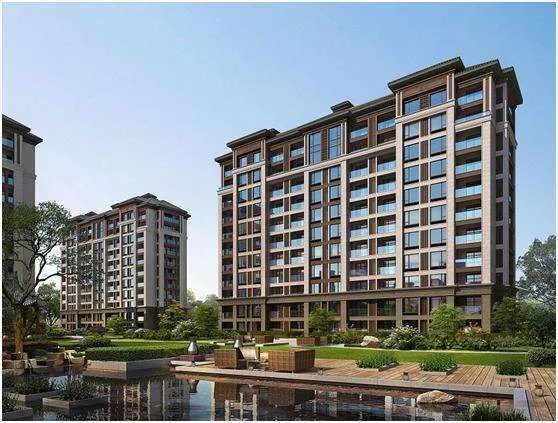
Residential development is closely connected to how people live. Space, privacy, accessibility, natural light, layout, amenities, and the relationship between individual properties can all influence the quality of a residential environment.
When assessing residential opportunities, these considerations can help shape a development that prioritises everyday usability. The objective is to create homes and communities that feel practical, comfortable, and thoughtfully planned.
Understanding Commercial Opportunities
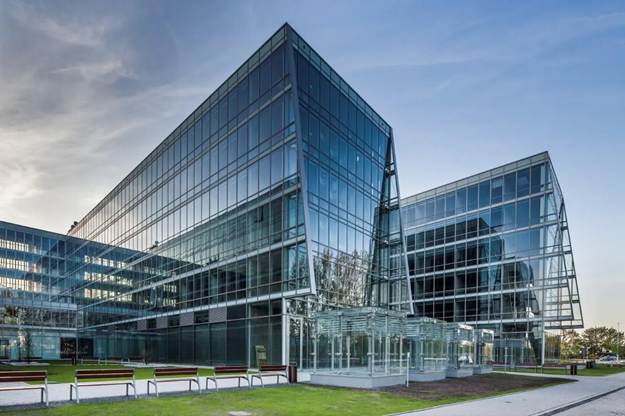
Commercial property has a different set of priorities. Businesses need spaces that support productivity, accessibility, customer interaction, staff requirements, and future growth.
A commercial opportunity can therefore be assessed according to how effectively a proposed development could respond to those needs. Flexible layouts, efficient access, visibility, services, and surrounding connectivity can all influence the potential of a site.
Identifying Industrial Potential
Industrial property often depends on operational efficiency. Vehicle access, loading areas, storage, warehouse configuration, office components, site circulation, and infrastructure can play significant roles in determining how well a facility will function.
A development approach that understands construction and infrastructure can assess these requirements early. This can help create industrial properties that are practical for businesses while also maintaining a strong professional presentation.
Why Infrastructure Changes the Opportunity
Infrastructure can influence the potential of every property sector. A site’s access, services, drainage, road connections, and preparation requirements can affect how efficiently it can be developed.
Considering infrastructure alongside property planning can reveal opportunities that may not be obvious from the site alone. It also allows potential challenges to be addressed as part of the broader development strategy.
Using Construction Knowledge in Opportunity Assessment
Construction experience can add another layer to the evaluation process. A promising concept still needs to be deliverable, and factors such as site conditions, materials, building requirements, sequencing, and project coordination can influence that process.
Understanding construction can help connect the initial opportunity with the practical steps required to turn it into a completed development. This provides a useful balance between ambition and execution.
Matching Design With Purpose
Different property sectors require different design responses. The most effective approach is not to make every development look the same, but to create a design that reflects the purpose of each project.
Residential developments can emphasise comfort and lifestyle, commercial properties can focus on flexibility and business use, and industrial projects can combine operational efficiency with strong architectural presentation.
Recognising Long-Term Potential
A property opportunity should be considered beyond its immediate development potential. Future usability, adaptability, durability, and the changing needs of occupants can all influence the long-term strength of a project.
This broader perspective encourages decisions that can support continued relevance. A development designed around both current and future requirements may have greater flexibility as circumstances evolve.
Balancing Consistency With Flexibility
Approaching different sectors does not require abandoning consistent professional principles. Quality, integrity, thoughtful planning, strong design, and practical delivery can remain central regardless of the property type.
What changes is how these principles are applied. Each opportunity receives a response based on its location, purpose, users, and development potential.
Turning Diverse Opportunities Into Strong Outcomes
The ability to work across property sectors creates an opportunity to apply knowledge in different environments. Lessons from one type of development can provide useful perspective when evaluating another, while still respecting the unique requirements of each project.
This creates a development approach that is adaptable without becoming inconsistent. The focus remains on identifying what each opportunity needs to succeed and building a strategy around those requirements.
Conclusion
Danny Hanna’s approach to property opportunities can be viewed through the principle of understanding each site on its own terms. Residential, commercial, and industrial projects require different priorities, yet all can benefit from careful planning, infrastructure awareness, construction knowledge, purposeful design, and long-term thinking. By adapting these principles to the specific characteristics of each opportunity, development can move from an initial concept toward a well-considered property outcome.
Quick Summary
- A considered development approach begins by understanding the unique characteristics of each property opportunity, including residential, commercial, and industrial sites.
- Residential developments should prioritize usability by considering factors such as space, privacy, natural light, and community layout.
- Commercial property assessments must focus on productivity, customer interaction, and business flexibility to effectively respond to user needs.
- Industrial property development relies heavily on operational efficiency, influenced by factors like vehicle access, storage, and site circulation.
- Infrastructure considerations, including access and services, can reveal potential opportunities and challenges that affect the efficiency of property development.
- Danny Hanna advocates for a flexible approach to property development that remains consistent in quality and integrity while adapting to the specific needs of each project.